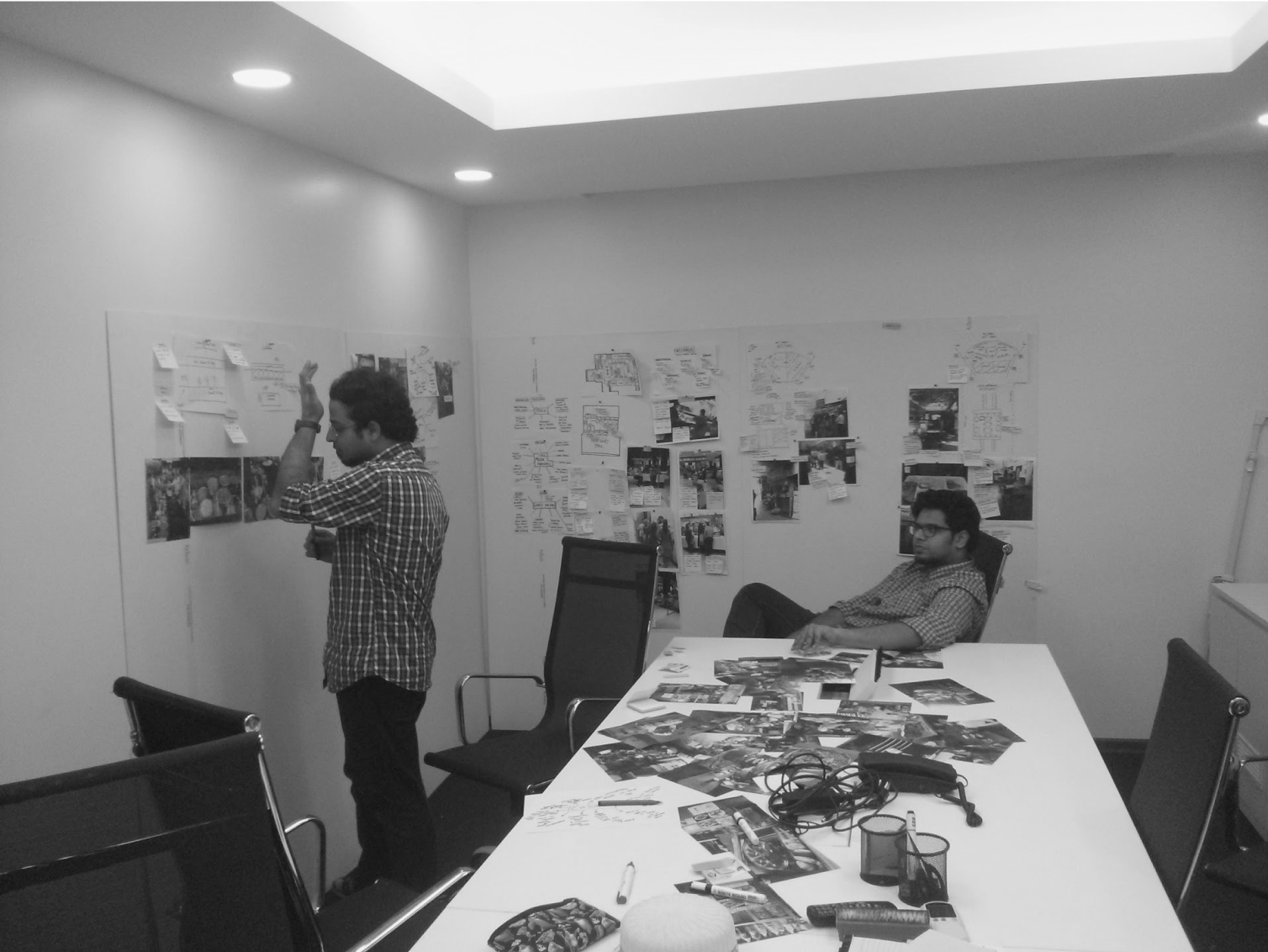
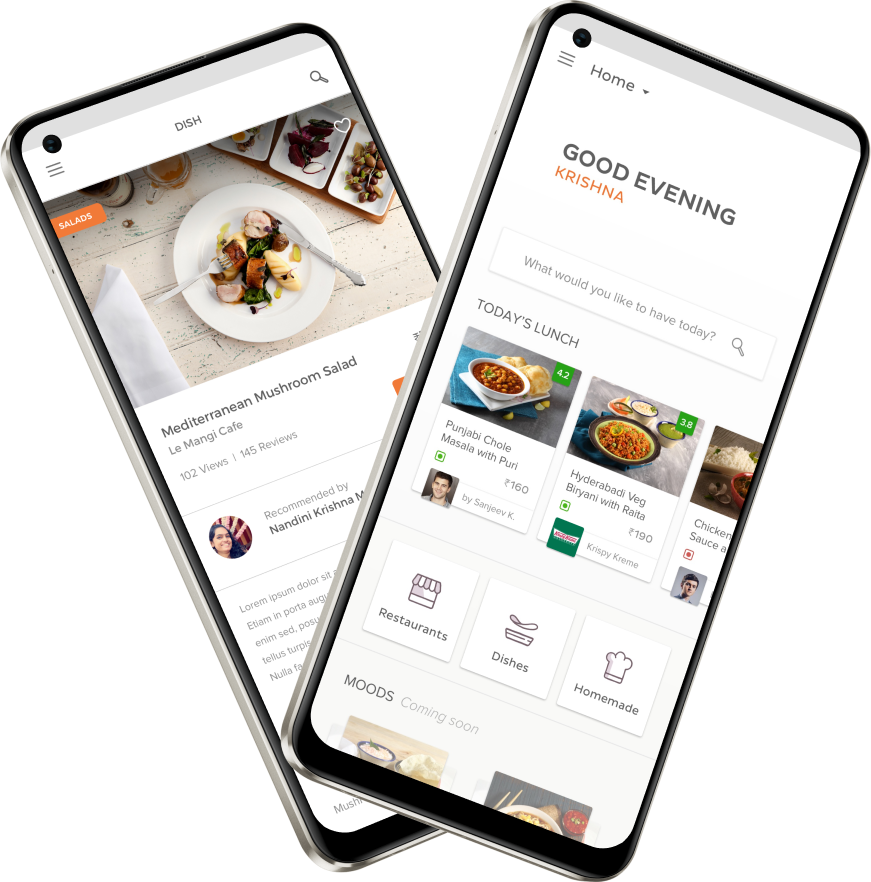
We started with observing people, learning about their food journeys across life and during their regular days. We realised that in the daily grain of life, people cared deeply about food, like the sense of food hygiene was active well before its consumption, when they left home or far after - a sense of guilt was attached to out of home food in India within a family unit.
We realised the behaviours around food courts, around budgeting, or even small choice dilemmas around food.
Smaller common patterns like - how they hedge their bets with a thaali, or experiment occasionally with food every week and also how social biases make for fast impulsive decisions.
Although the fundamental truth around food ordering was paucity of time in both making a decision, and, time taken to deliver food. At the same time for the sustainability of Tinyowl we had to deliver on hygiene as well as budgeting constraints both of which led to guilt based dropouts.
Leaner funnel, better choices
We started with paper prototypes with quick and rapid feedback cycles collaborating with food court consumers, the idea was to get the product in hands of the humblest user.
We realised that when it was time order food for lunch/dinner - paucity of time was the ultimate problem which then had layered anxieties around mood, validation/brand and budgeting.
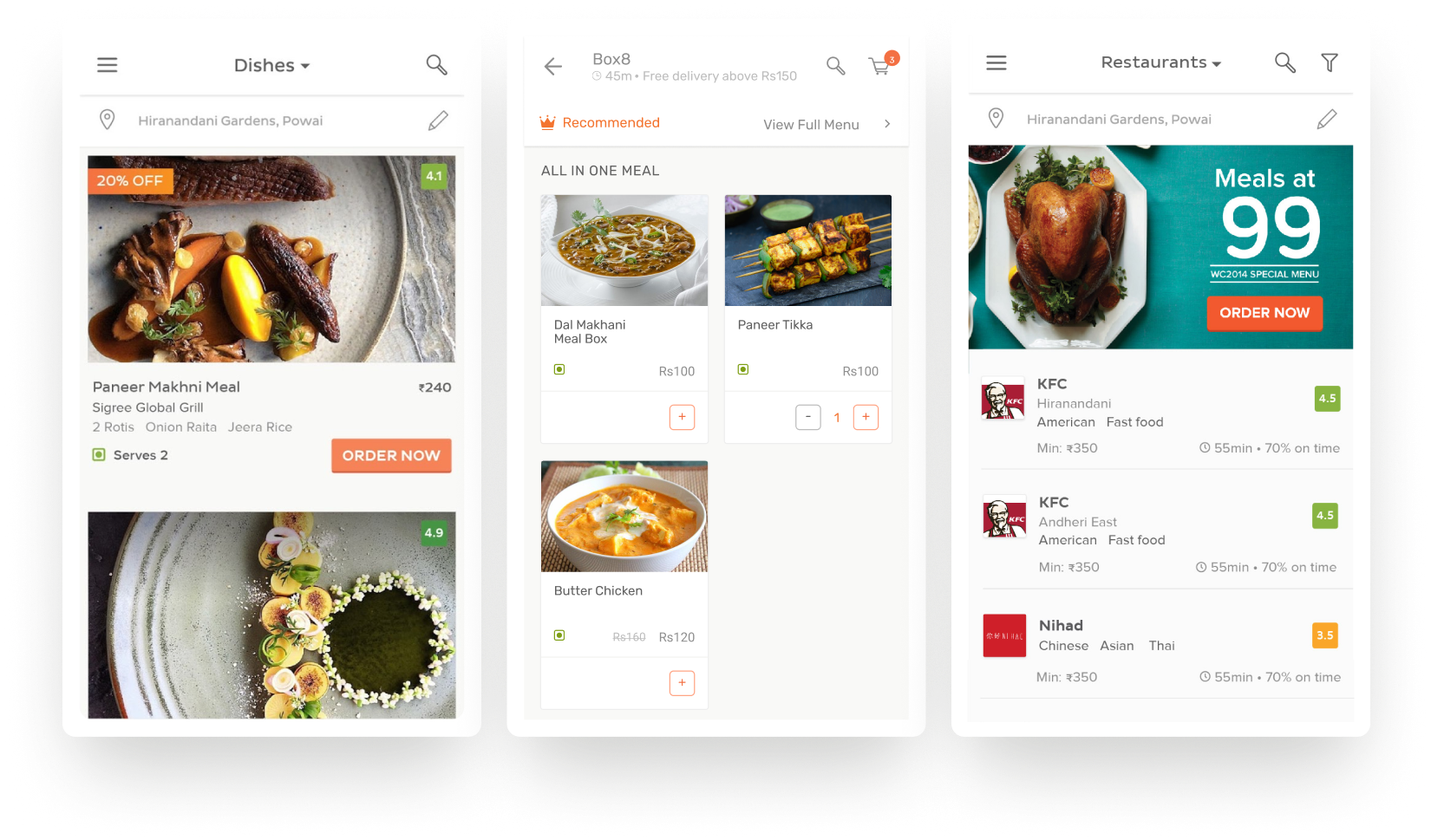
We started with eliminating choices basis users onboarding filters and subsequently with his platform behaviour, combined with social tags such as rating and reviews. Although the idea was to curate and not personalise allowing the user to explore something new always.
We did this through two platforms one was restaurant, ratings and recommendations and the other was dishes which would be specifically curated for Tinyowl by restaurant partners.
We got the highest conversions as high as 12% and were regarded as the best user experience in end 2015 across food delivery options which by then included Foodpanda, Zomato and Swiggy.
Magical fridge and serendipity
We believe that food is an immersive experience, it combines culture, stories and personal reflection around tastes, health and happiness. There is craft and care involved for people who were passionate producers and influencers of food.
We needed to empower this through what we called a magical fridge, something which provided pointed and deep experiences around food which was personal.
We created a taxonomy - a spider algorithm which indexed users past ordering patterns and journeys to show them a pattern match result with similar and dissimilar choices to stumble upon a discovery once in a while and enhance his taste profile, if we would build users taste profiles we could work backwards from it.
We further enhanced the deep validation by working with our restaurant partners to understand the production process and presenting their side of the story so the user has a visibility on food production. We believed that food visibility and community-led validation is both organic and critical to engender trust.
Magical fridge resulted in a 22% increase in the conversions for user and increased our NPS by 29%.
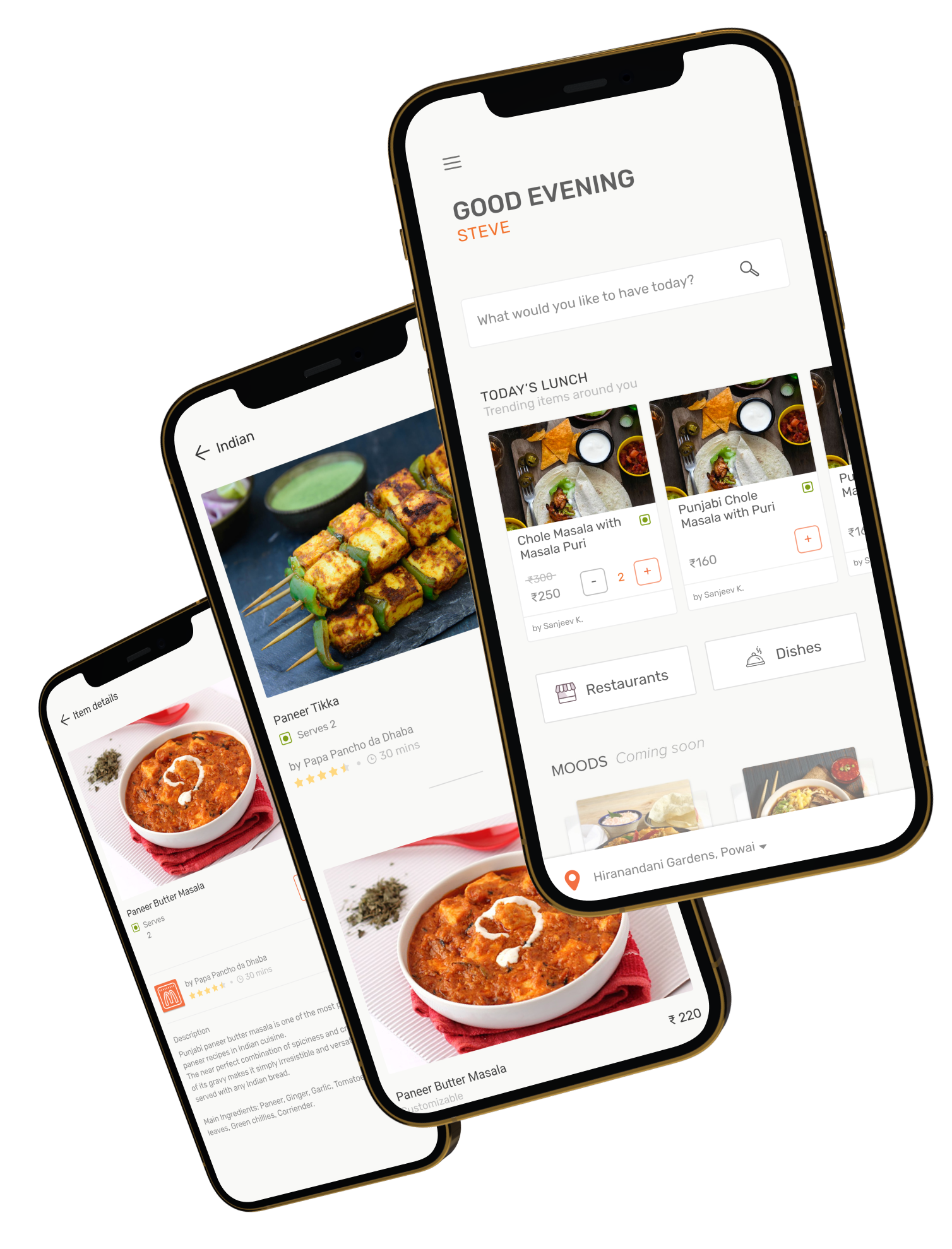
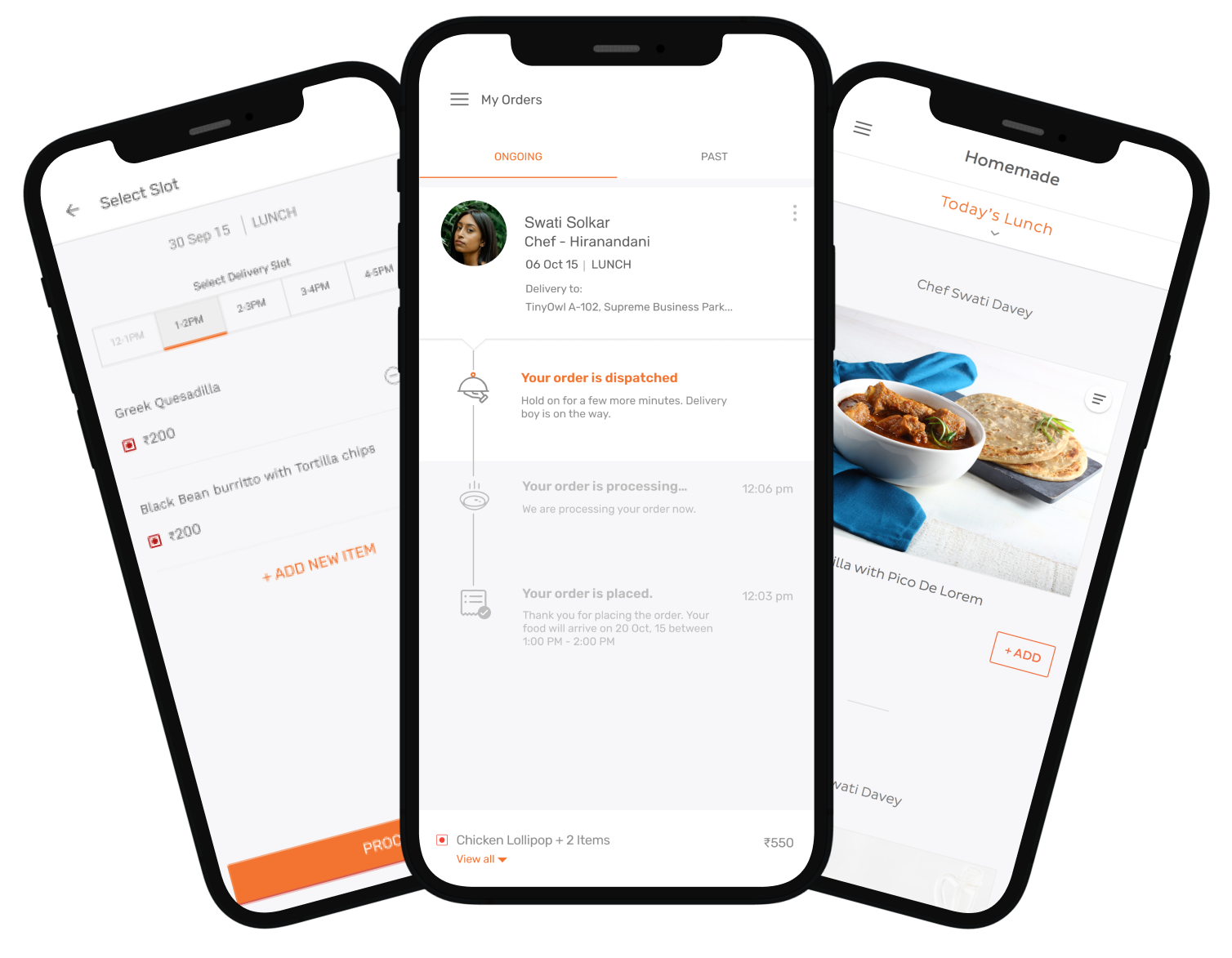
Tinyowl Homemade and cultural experiences.
In India, food is a battle between ghar ka khana vs bahar ka khana (home food vs restaurant food), as the food visibility from ingredients and care, to hygiene in food production lack trust, there are deep anxieties around food perception when it comes to food from outside.
As a team we believed that food visibility across sourcing and production is at the heart of solving the food problem, homemade was a natural extension.
We collaborated with the finest home chefs across cuisines, giving a deep insight and providing a home away from home experience to our users.
We realised that food and cultures were intertwined and we imagined the semiotics of the storytelling across the dish had to include the childhood and the specific tools and methods our chefs used which was unique to the region and had an aura of nostalgia and simplicity weaved in.
Homemade sold out every single day of its operations with an NPS of +70 - the highest the food delivery industry had ever seen.
-
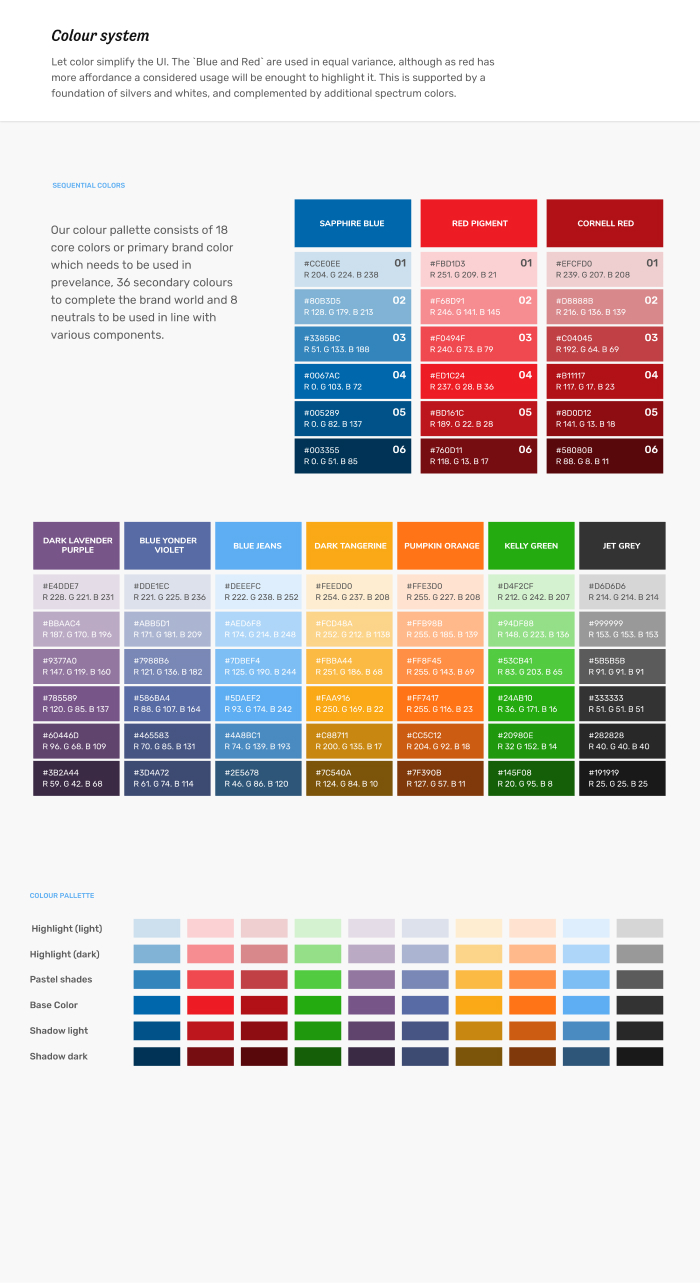
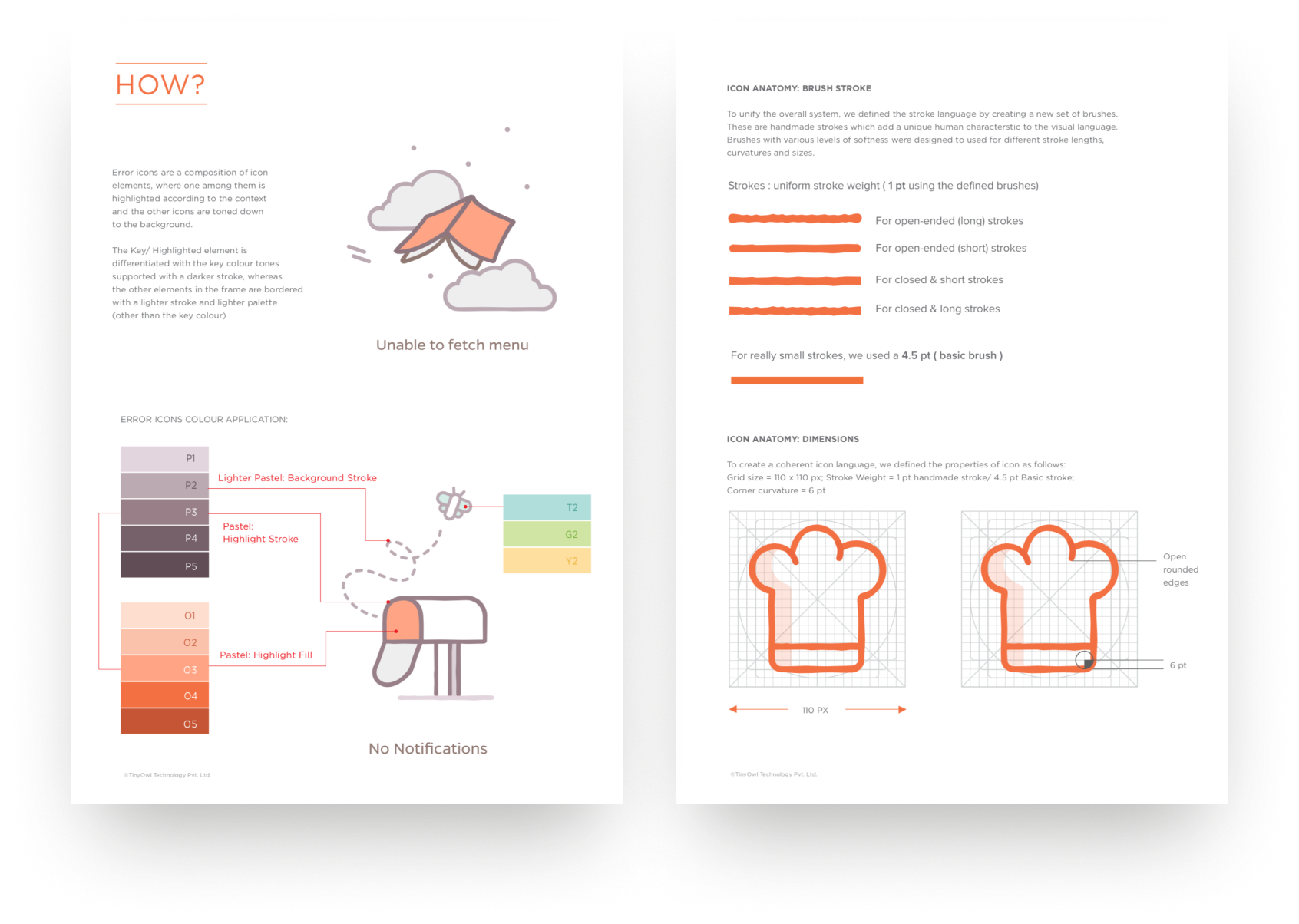 We developed an illustration and icon language unique to Tinyowl twice
-
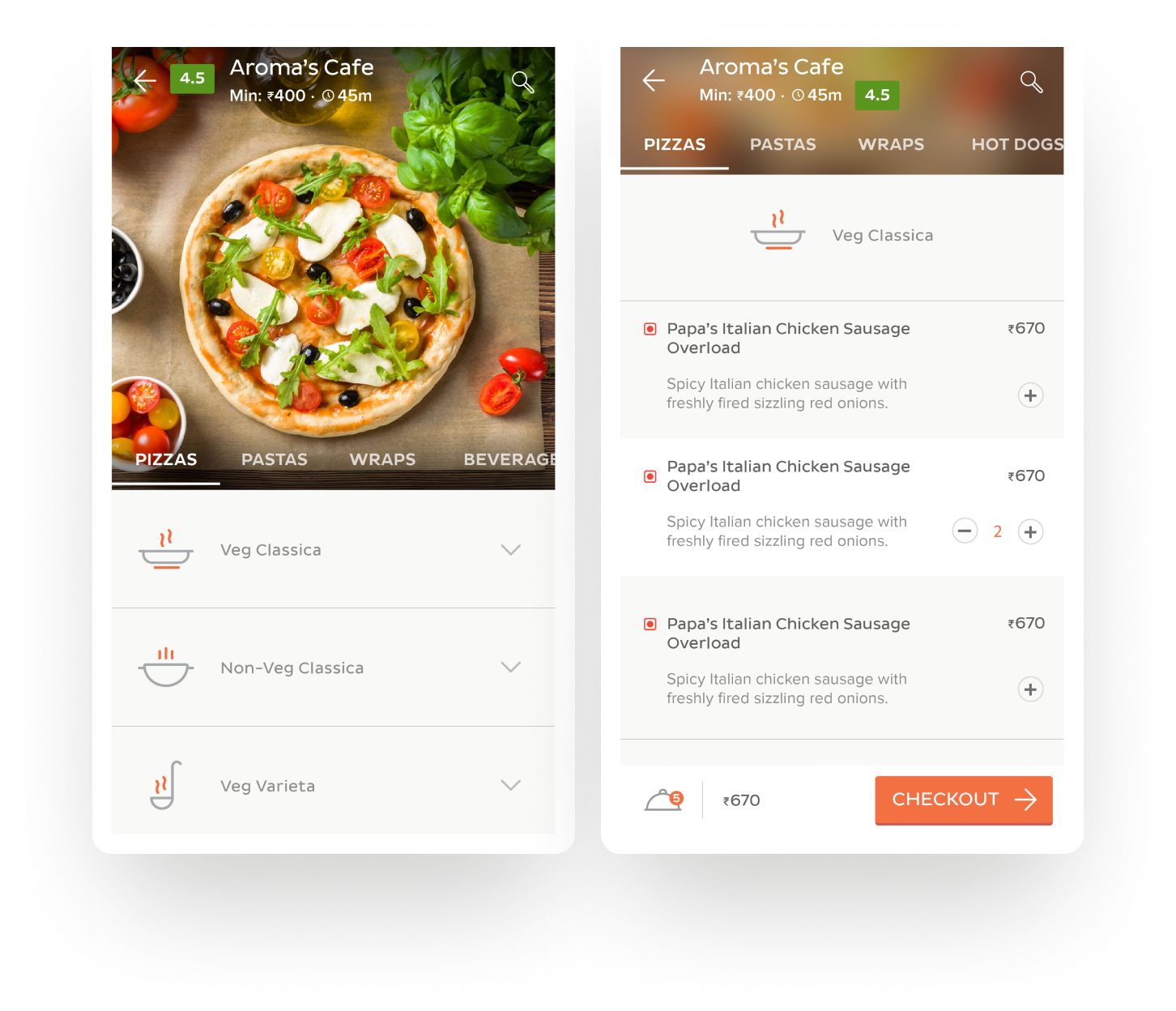 Menu listing was designed for easier navigation and quick understanding of the dish
-
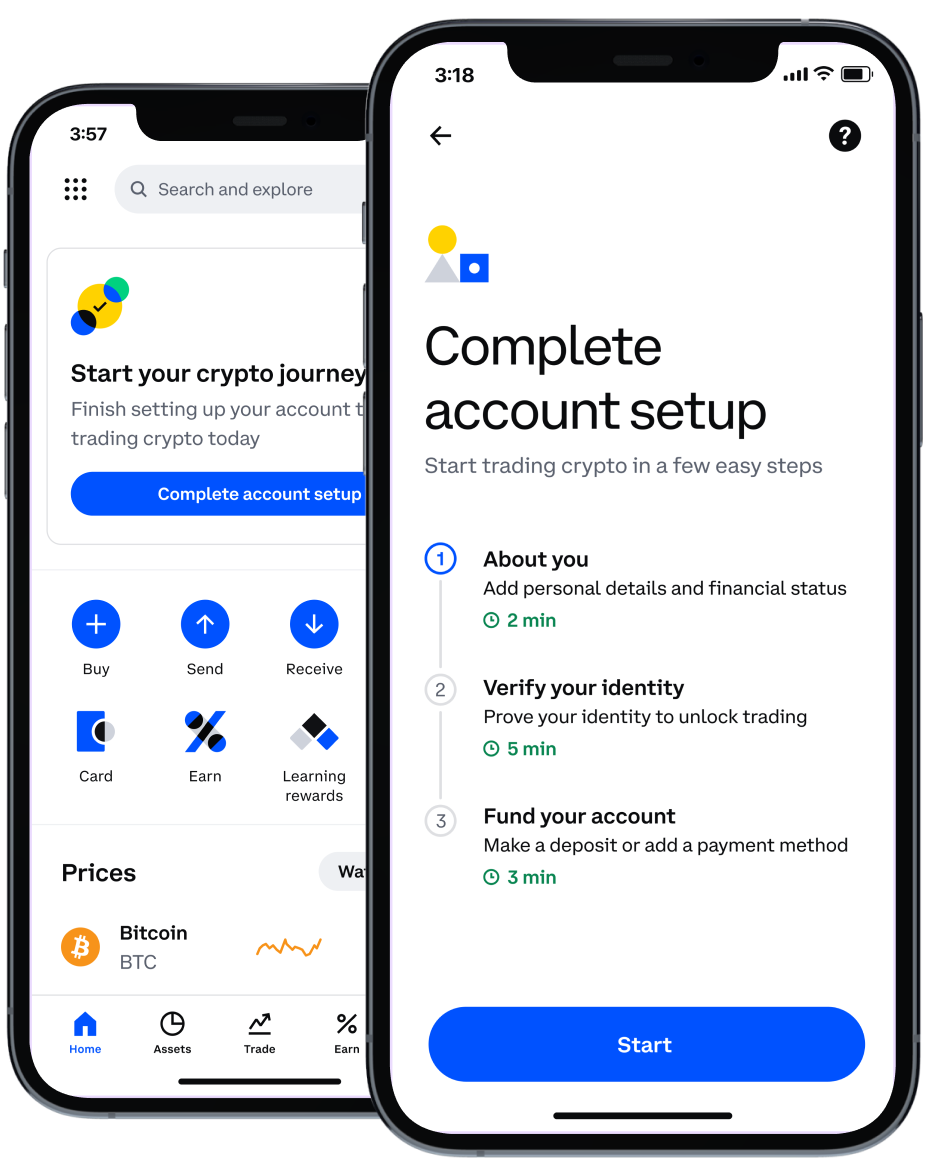
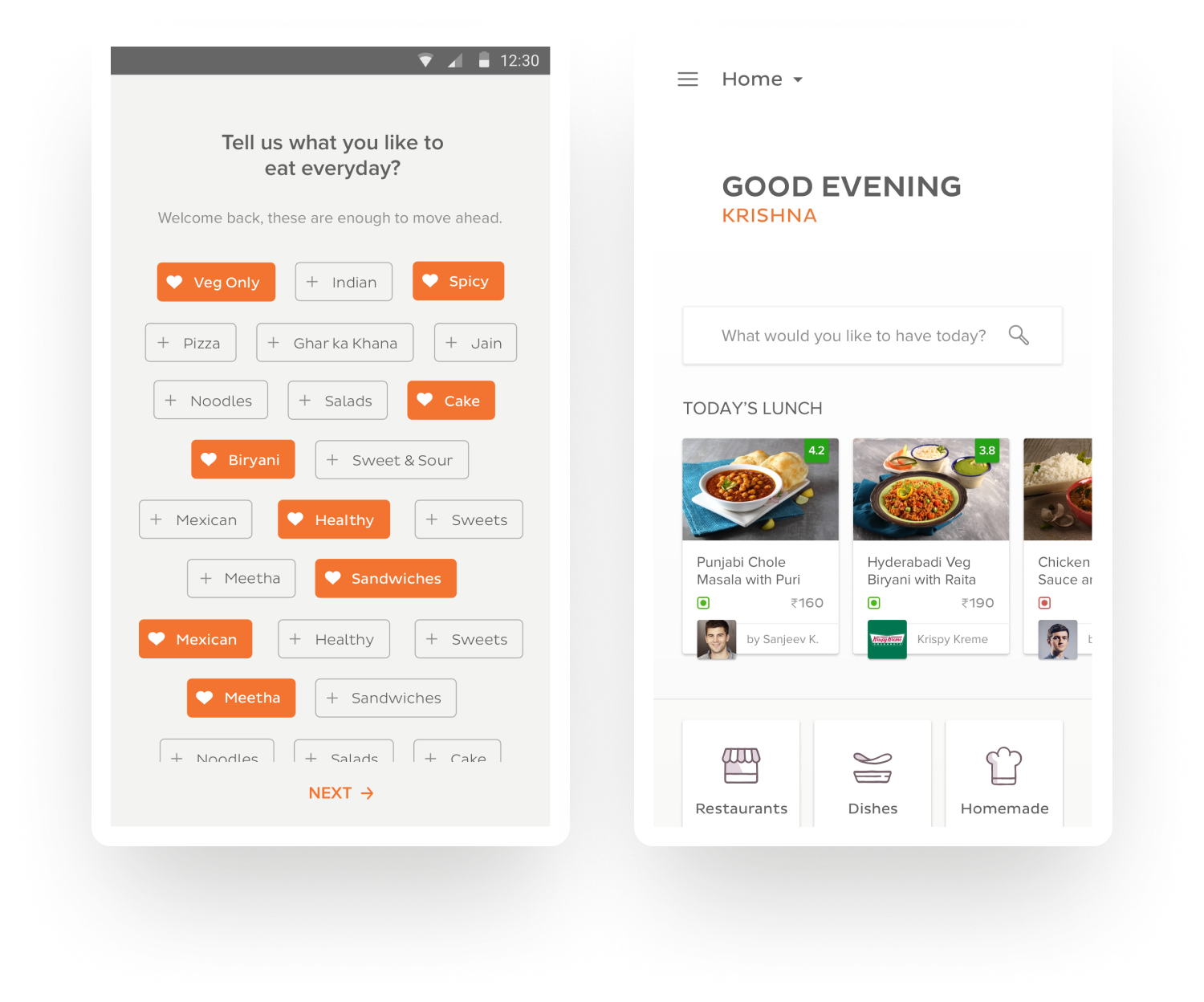 Simple onboarding with pointed navigation from day one for user
-
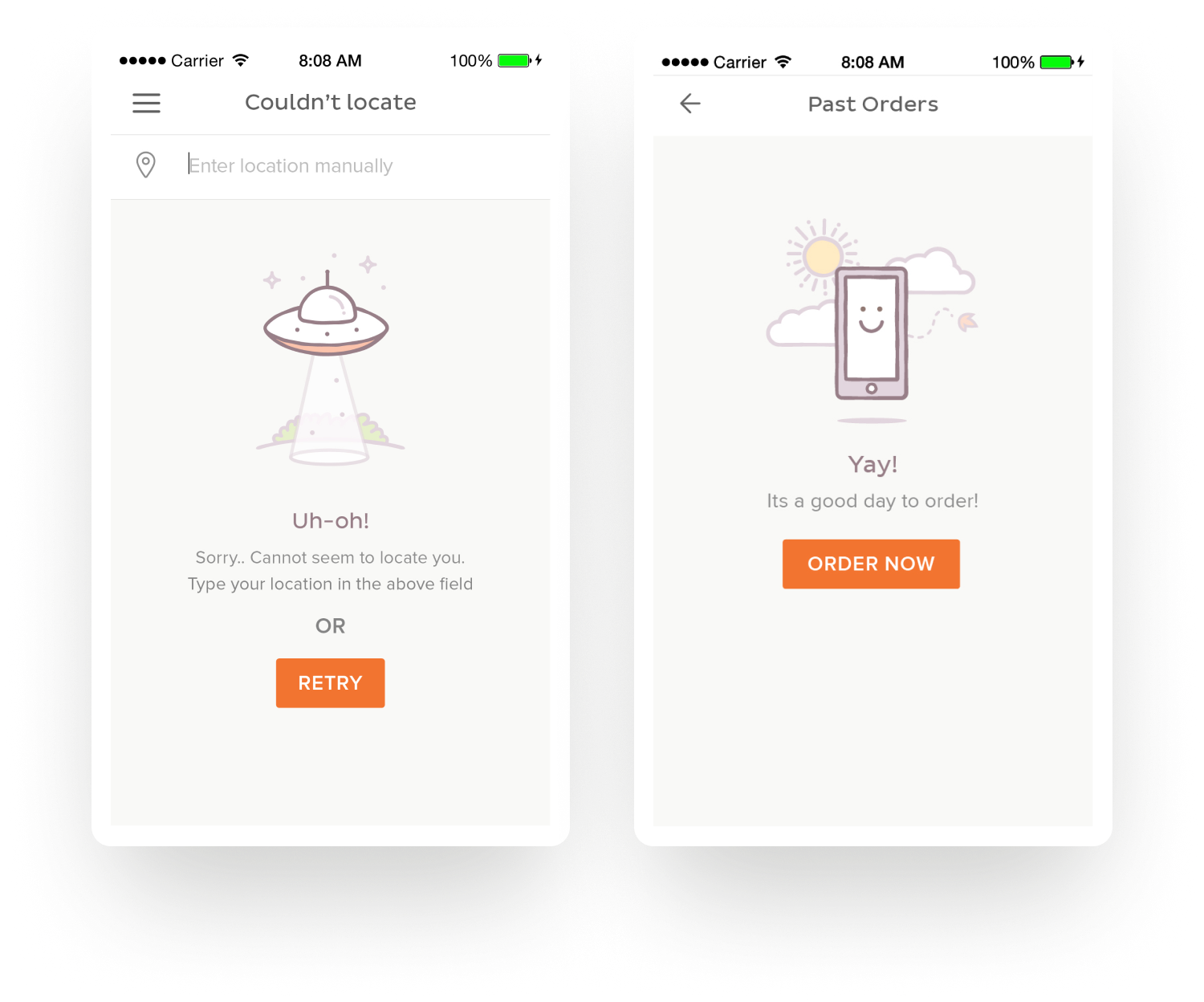 We designed error states to make our users smile
At Tinyowl I started the with a design team of 4 and then scaled it to 40, the team was structured in pods. We believed in enabling focus through reverence of process aided by well-structured organisation and tools.
In lieu of the above we had designed the organisation around consumer touchpoint, with pods consisting of product, design, data science, supply chain and engineering to make sure everyone was pointed to the consumer experience and measured by user delight.
What was most important to us was to deeply care for our consumers, to understand their core anxieties and motivations and how can we deliver delight.
We called our process - dartboard and arrows, which consisted of first unearthing innately mundane insights which would be our dartboard and prototype ideas which would be arrows to then hone it the simplicity which hit the bullseye.
We succeeded in not only building one of the finest teams for design in India but more importantly it showed the potential of how design can be central and not incidental to business.
We used design to collaborate better and deliver refined solutions which solved core problems.