-
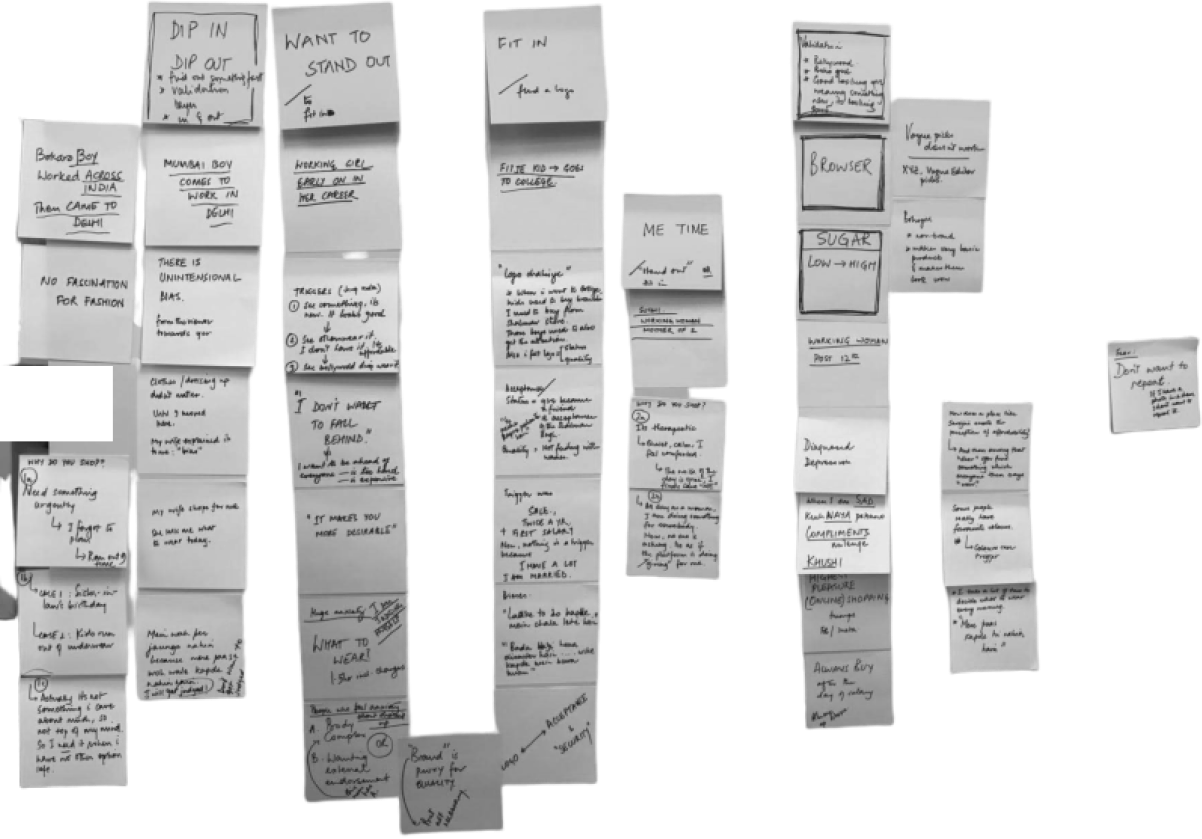 The core user looks at fashion as a feed
-
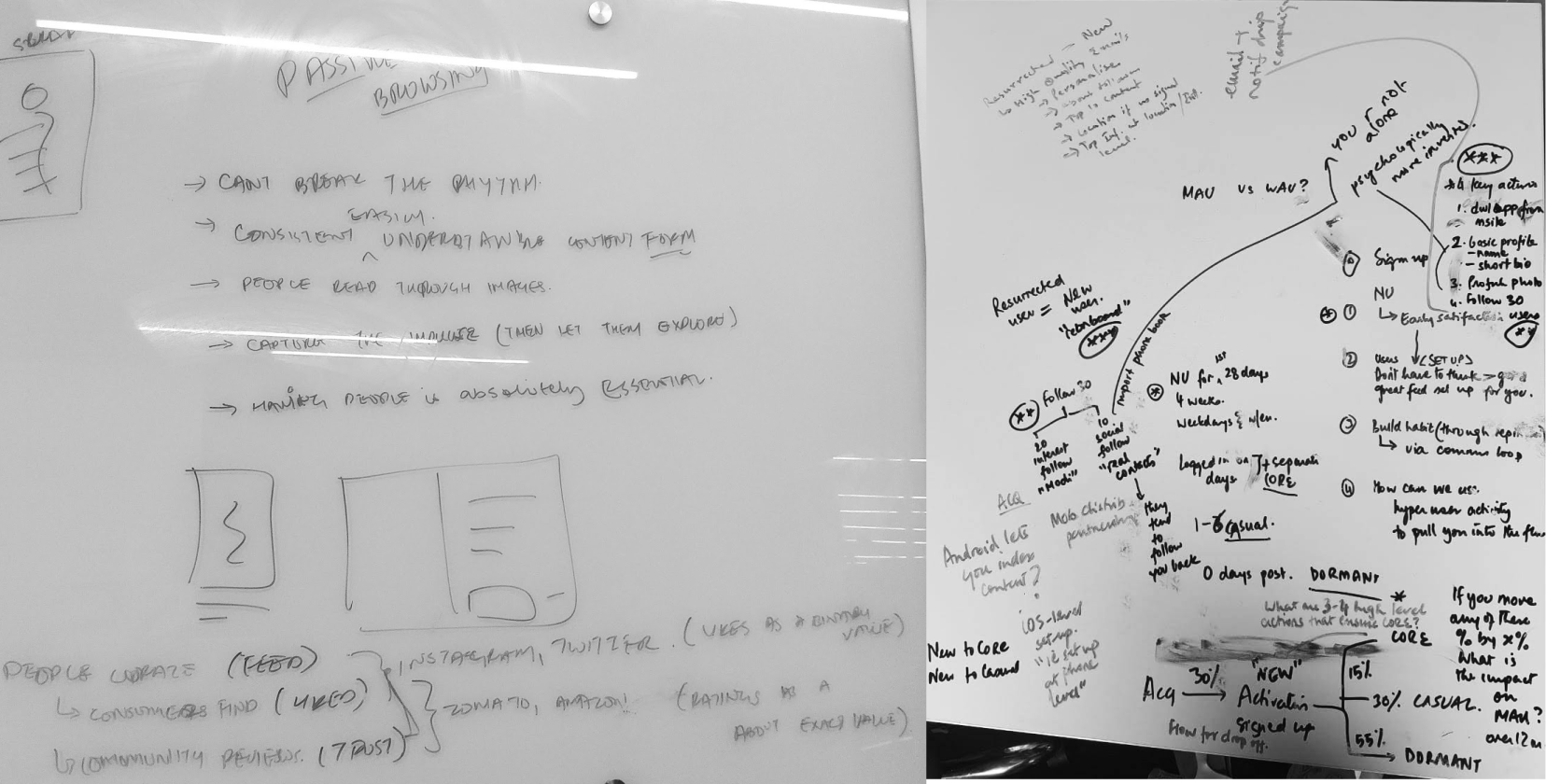 Passive browsing through skimming and scannning of feeds curated by people
-
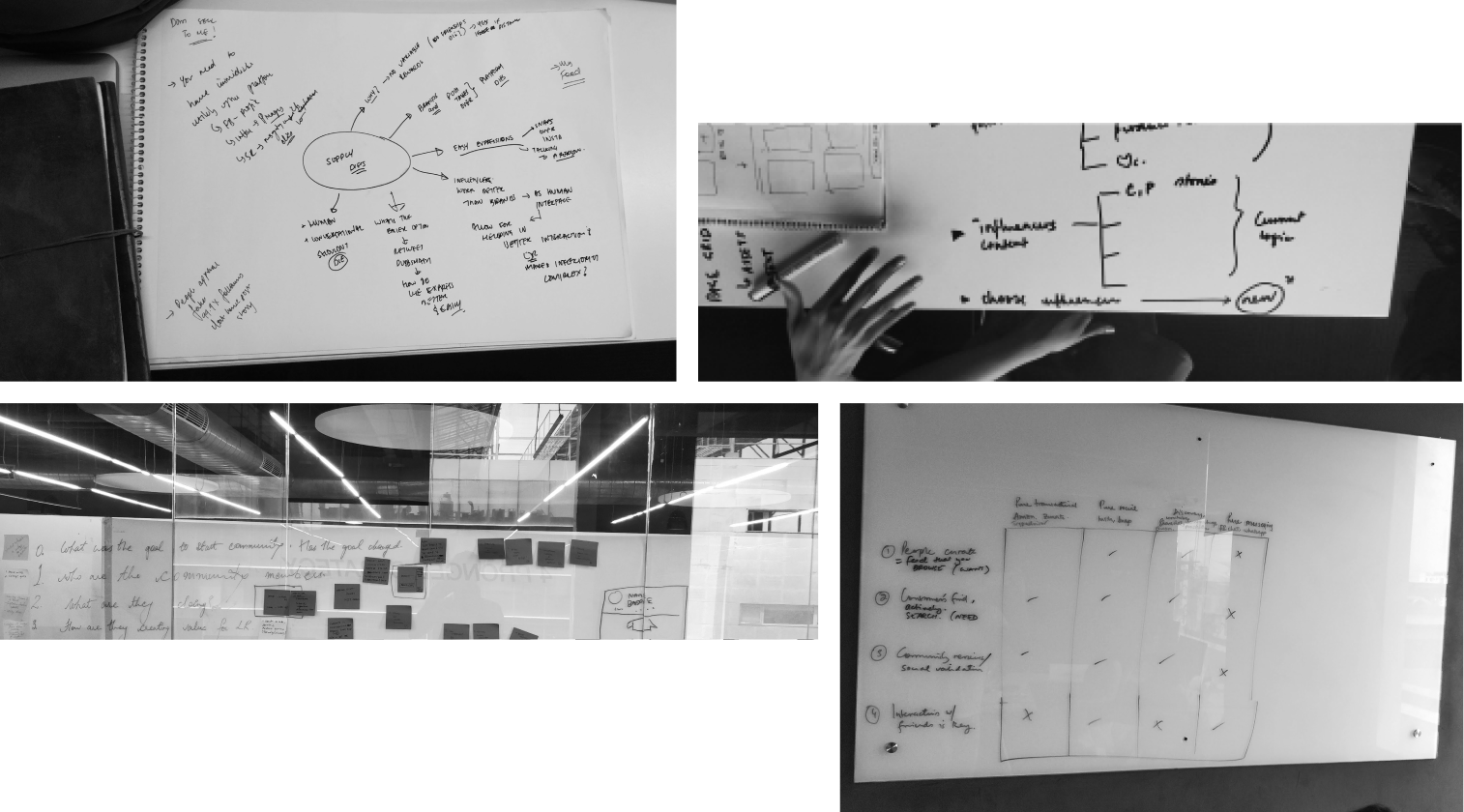 People are at the heart of curation, through easy expressions & positive reinforcement
-
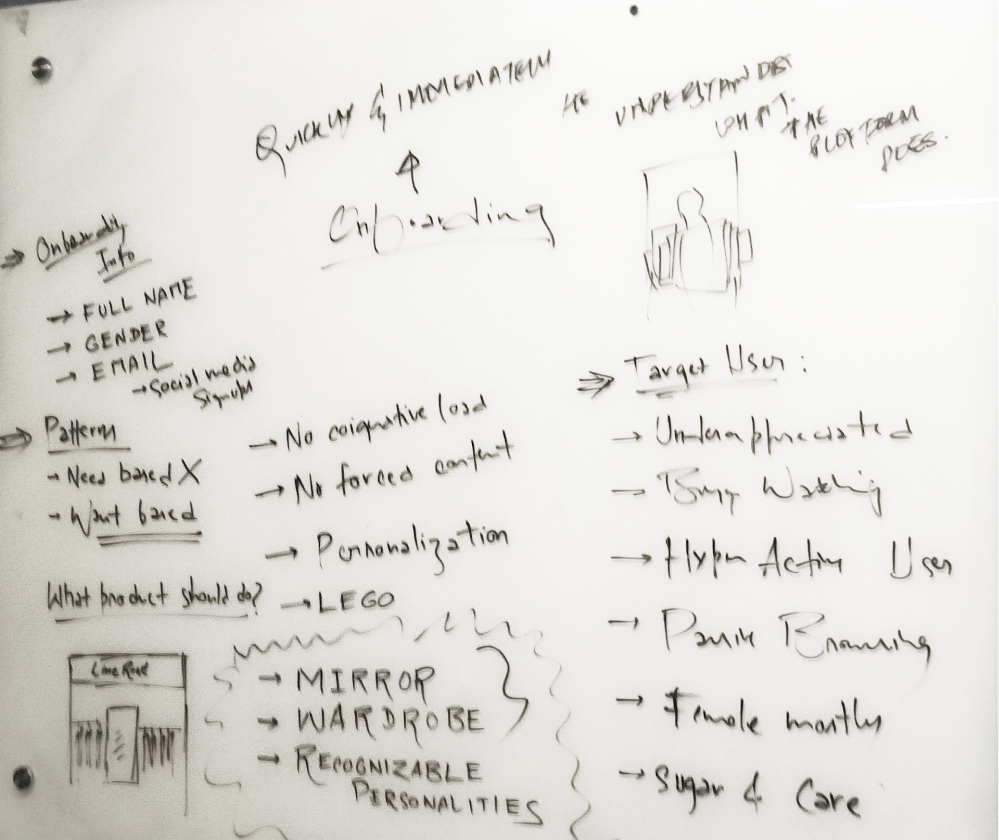 Natural orientation for users to quickly understand and express.
We started with identifying who is our core user and what is their inflection point.
Across the observations and user stories from the current fashion platforms and interaction which users had. We realised that people have many common inflection points in their fashion journey, for example when people enter college or want to be recognised within a social group, to finding independence with a job, or even when the grow financially/socially and have a deeper sense of self-identity, it all reflects in their fashion.
The core consumer who cares about fashion, consumes it like a feed, wherein their idle time during day is being spent in social trends and self-identification with fashion.
It was people and not platforms which allowed fashion to be understood and encouraged individual expression. It was, therefore, important to start with people.
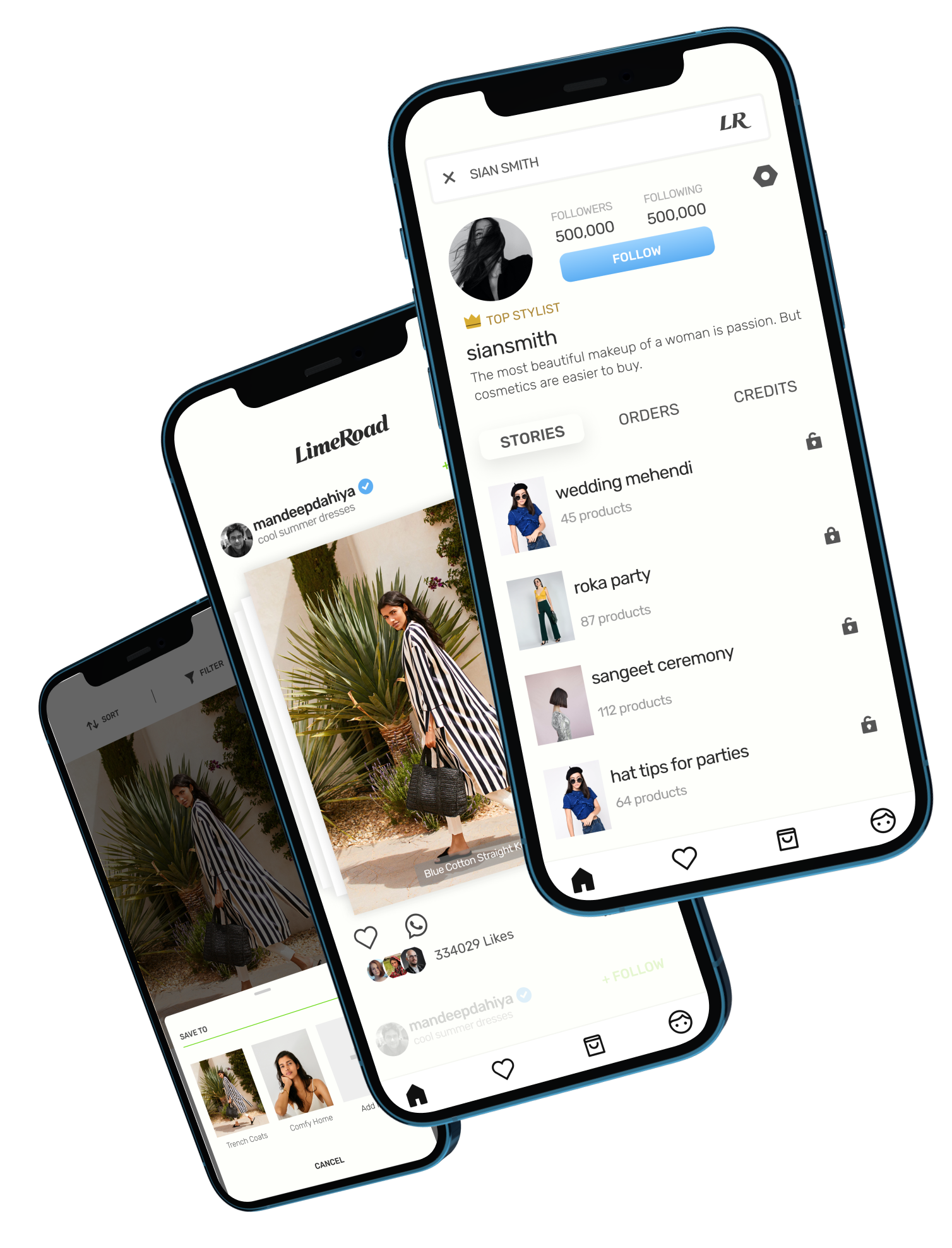
We started with prototyping feeds, with validation layers, this allowed people to make richer decisions through crowd wisdom and to also identify personal preferences through influencer curations.
Initial prototypes started with general horizontal and vertical feeds carrying stories (collections of products curated by people).
We realised early on that these feeds were hard to understand unless people could easily express themselves and understand the context of the feed from thereof.
We created about 90 prototypes around feed layouts, from vertical single image curation lists to banners of categories curated. We also tried videos with ramp walks to have serendipitous experiences.
All of them didn’t materialise in natural environments where the app was being used i.e. crowded metro trains or offices which were places most of our user’s binge shopped online.
Natural orientation and Memetic behaviour
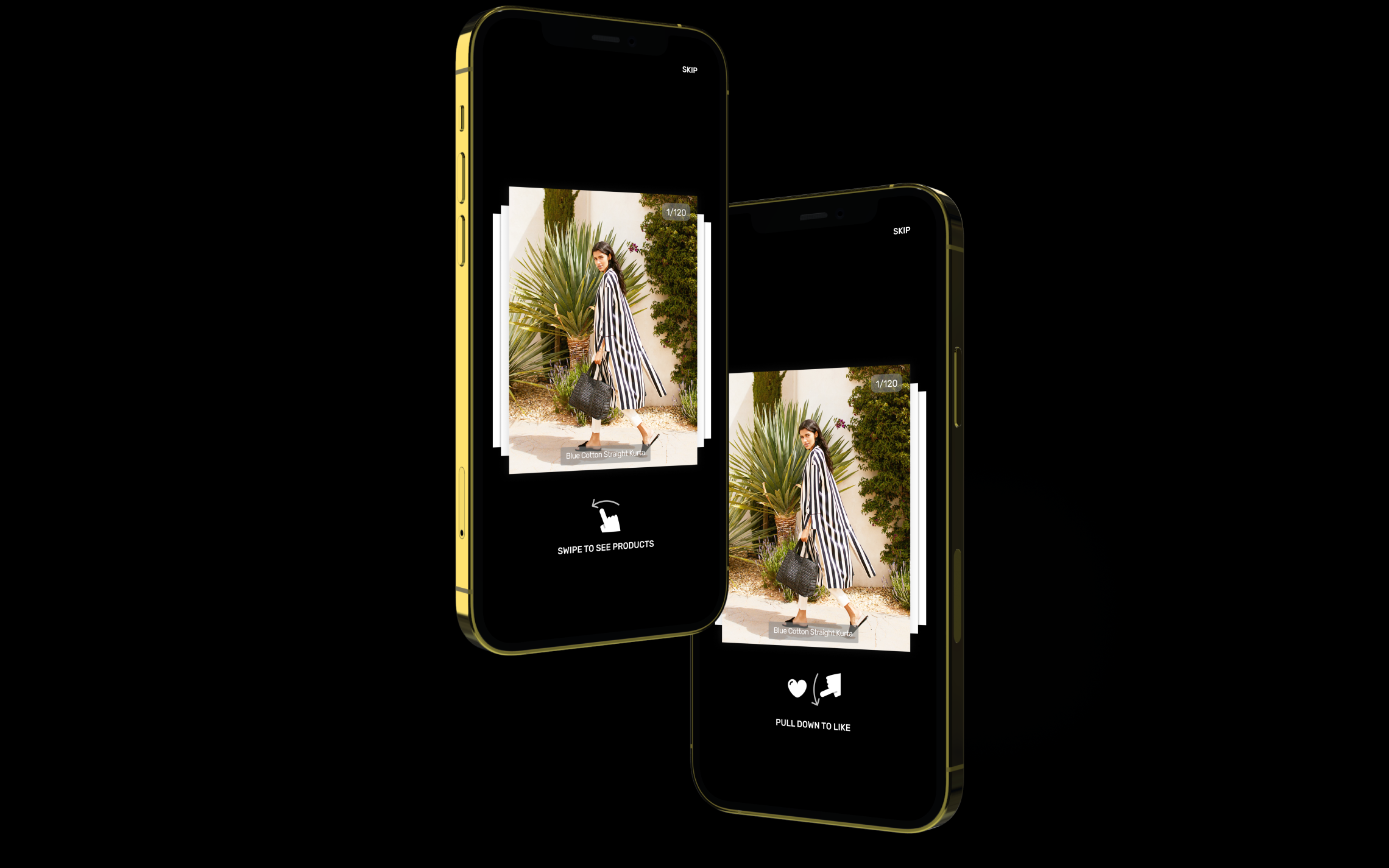
We realised that users had a natural orientation to like and shortlist product around intent for fashion before making a purchase. Through our observations, we felt this was the most quickly and immediately understood interaction around fashion, it identified with user behaviours across geographies and age groups.
Similar to bookmarking in physical environments, people could skim and scan wardrobes and quickly reject or accept wardrobes/section which they like before identifying the wardrobes/sections of choice and then choosing the most relevant purchase option within it.
We used this juxtaposition of wardrobes and bookmarking as a memetic behaviour.
We would make users like a product to shortlist and then ask them to create wardrobes which then could be saved for making better purchases and also shared much like playlists both giving a social validation but more importantly creating an organic feed.
This was tested extensively and it was quickly and immediately understood by the humblest of our users and appreciated by the core avid user, they could now create wardrobes easily and express themselves whereas exploring their favourite fashion icons which they love curate wardrobes.
Deep validation & Trust, as an investment
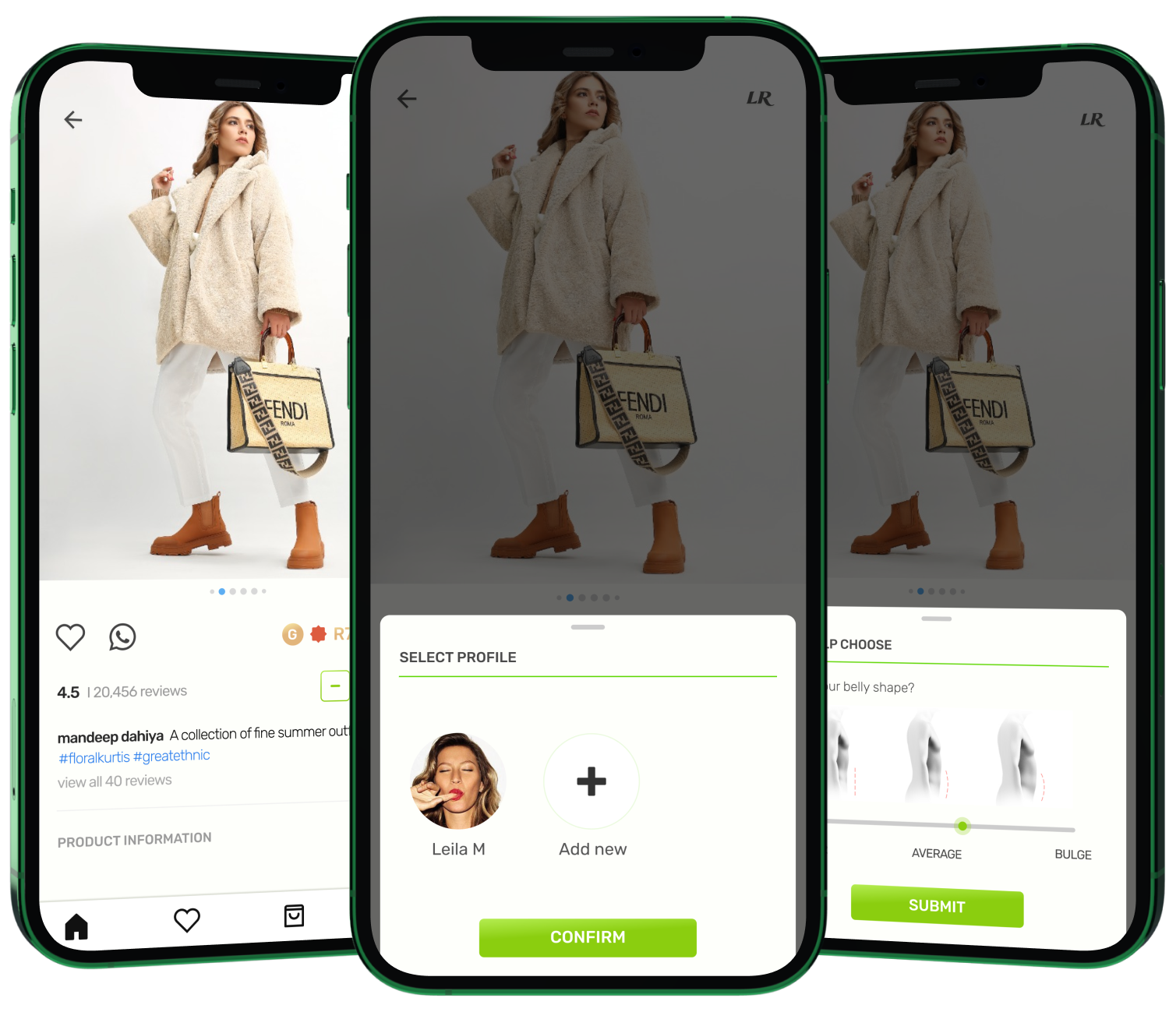
Besides expression, ownership of the platform was needed. The profile needed to act as a mirror to how they wanted to see themselves, this would help curate richer feed to weed out products which didn’t identify with the profile and allow the user to make a better decision.
This would also help our supply chain in helping create a standard size understanding with a broader and more pointed size profiling for our consumers and identify the perfect fits which they would want.
Ownership of Limeroad profile will also act as a natural to self-expression, this would be the moat which Limeroad will carry for the long term, serving the users well and create a decentralised form of rich fashion feed.
-
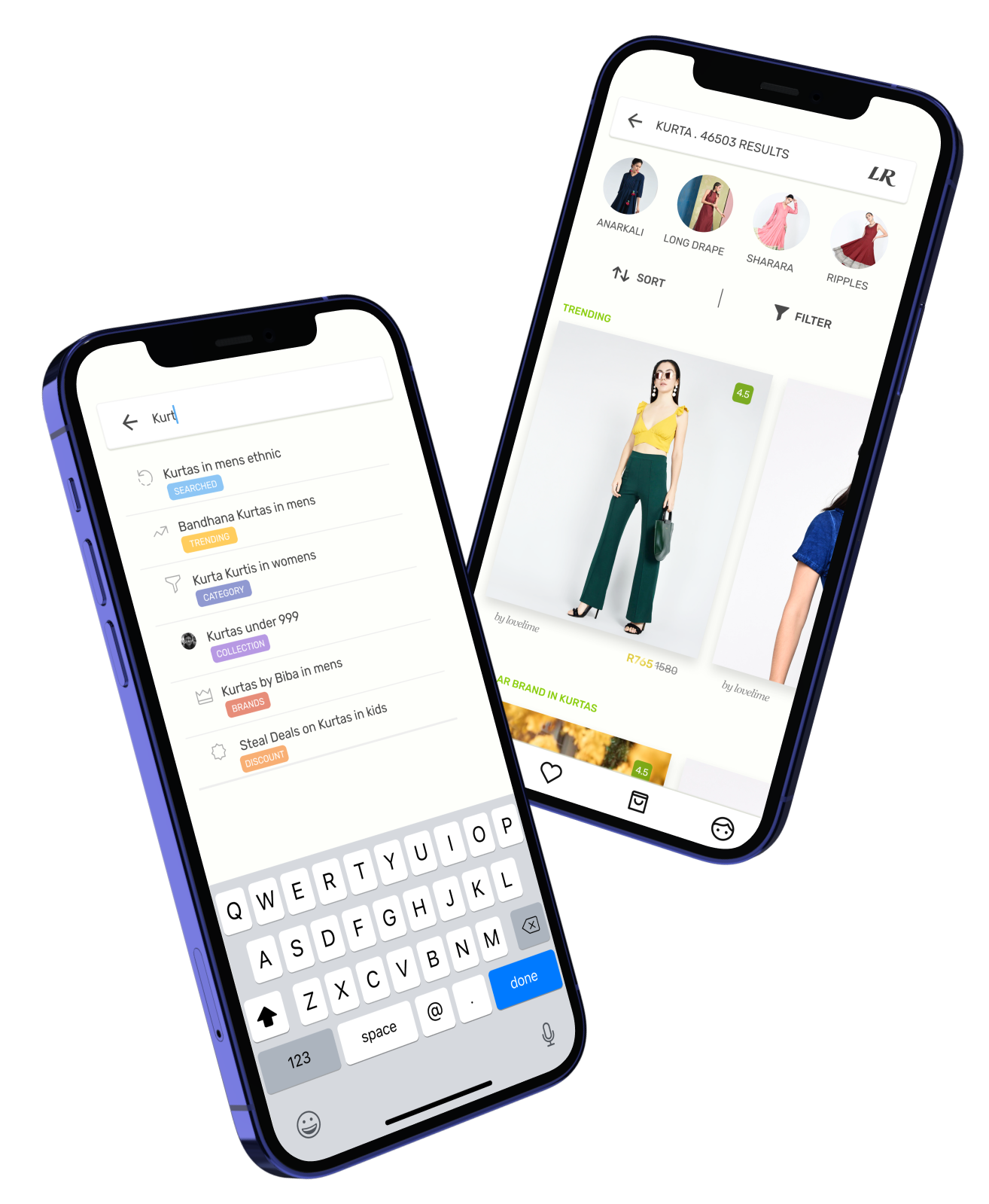 search and filters was redesigned for both type and tap led interactions
-
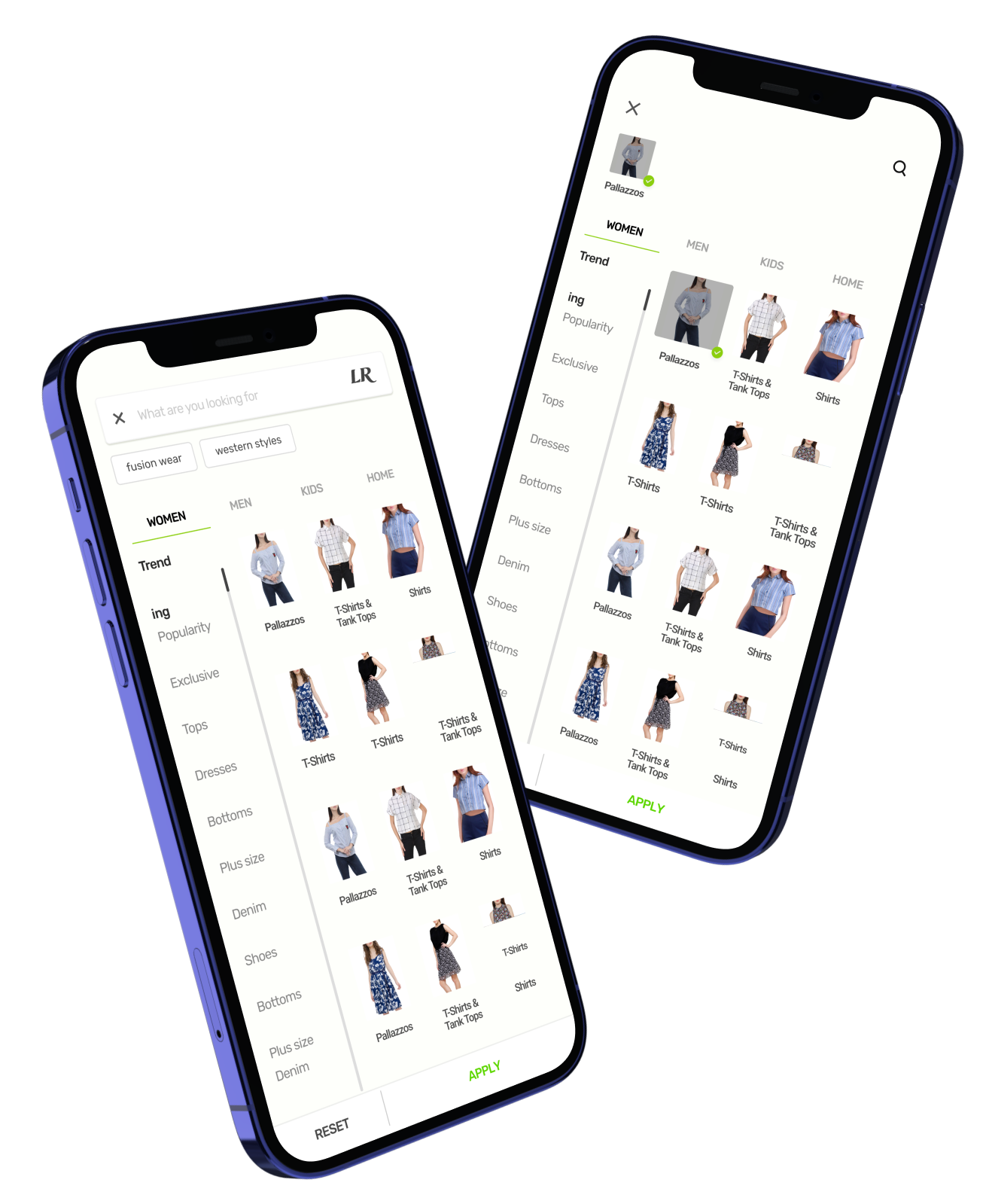 Filter with images easing discovery of new designs and hard to understand terms
-
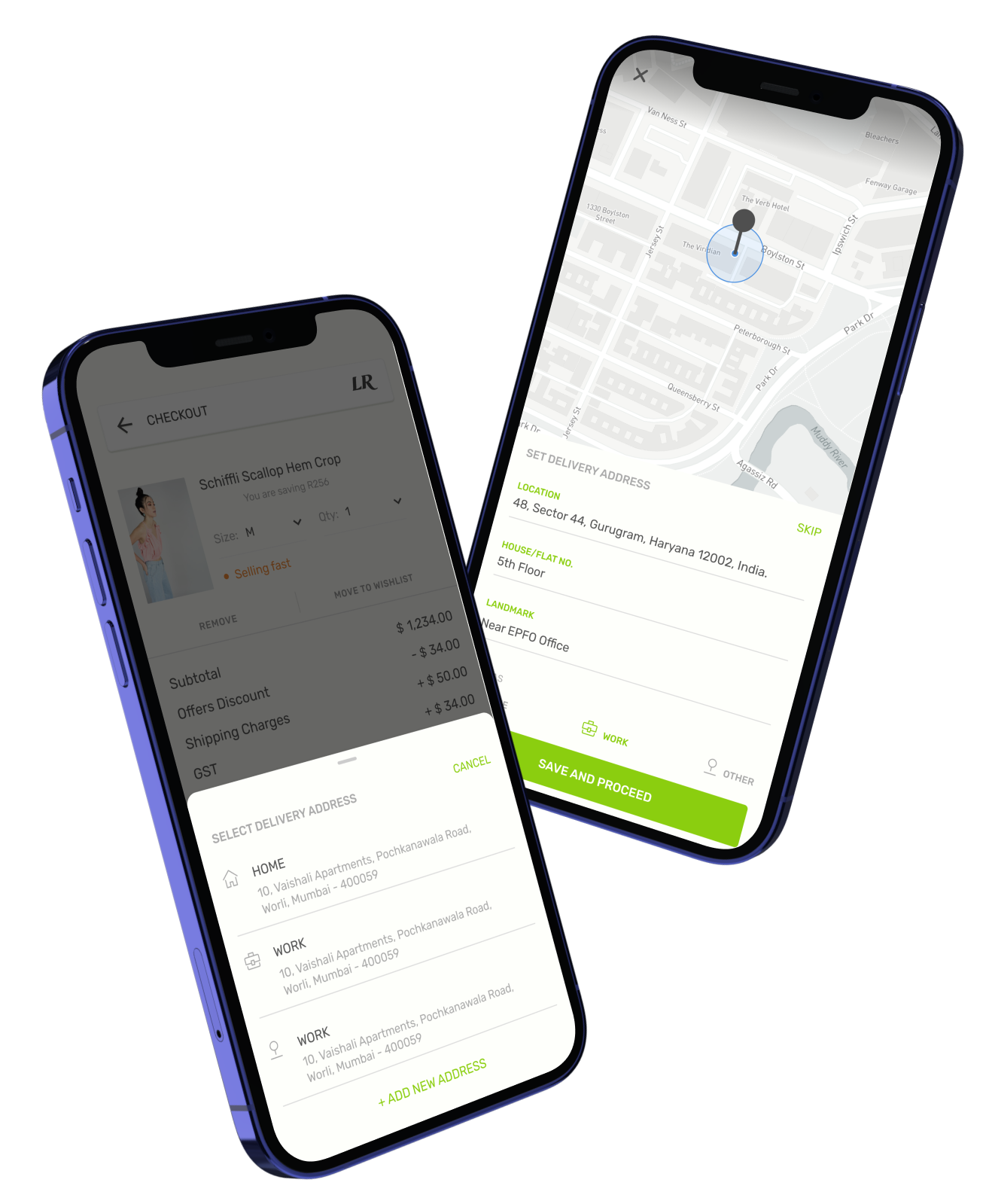 Address mapping, with detailed inputs, is incredibly important in high density Indian cities
-
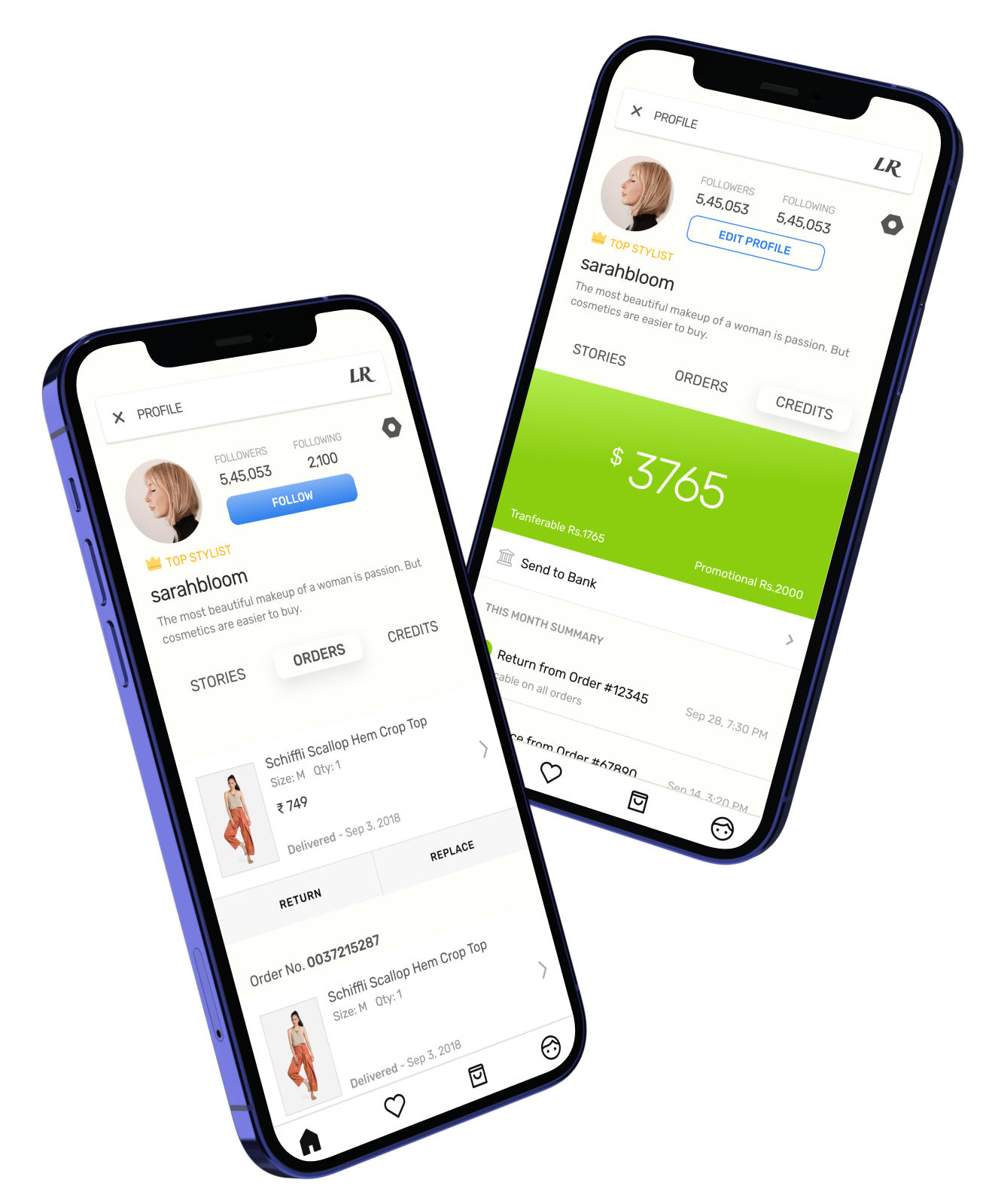 Coalescing your fashion identity with Limeroad through stories and commerce.
At Limeroad we focussed on speed + precision as a way of functioning within the design team.
I hired 3 phenomenal designers based on their ability to interpret better, prototype fast, craftsmanship to make a product quickly and immediately understandable, and having the disposition to collaborate.
We spread the work in big and small batches collaborating in temporary project-based pods. We created systems to make sure our consumers feel in a certain way and then applied the process of quick observations and rapid prototyping for feedback.
The idea was to understand the core insight intertwining with the holistic user experience which simplifies the overall flow and reduces unnecessary variables in the product funnel.
In small batches such as search, filters, product page and post order experience we delivered significant upticks ranging from 30% conversions to reduced RTO’s.
In big batches for what with called sugar + trust (fashion discovery and high NPS), we created a culture of 10x growth through fundamental problem solving which I believe was a great result.